

Wheat
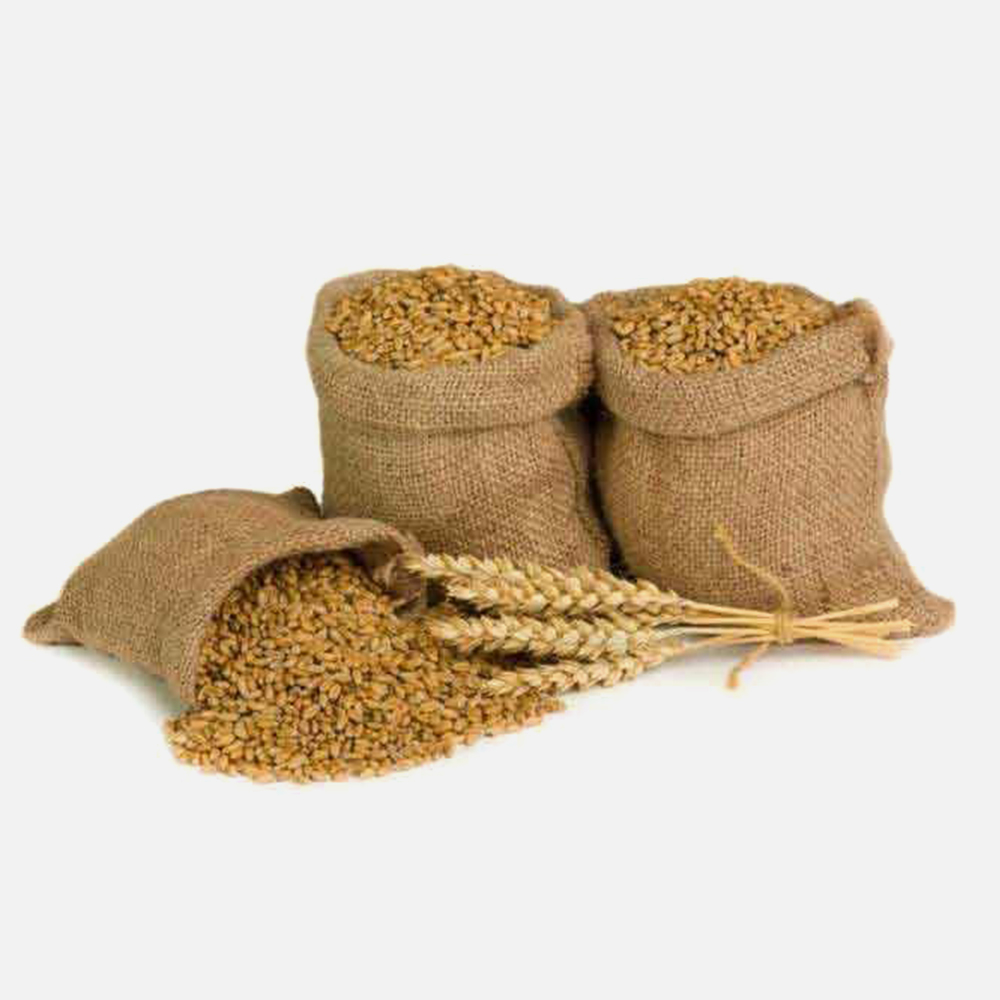
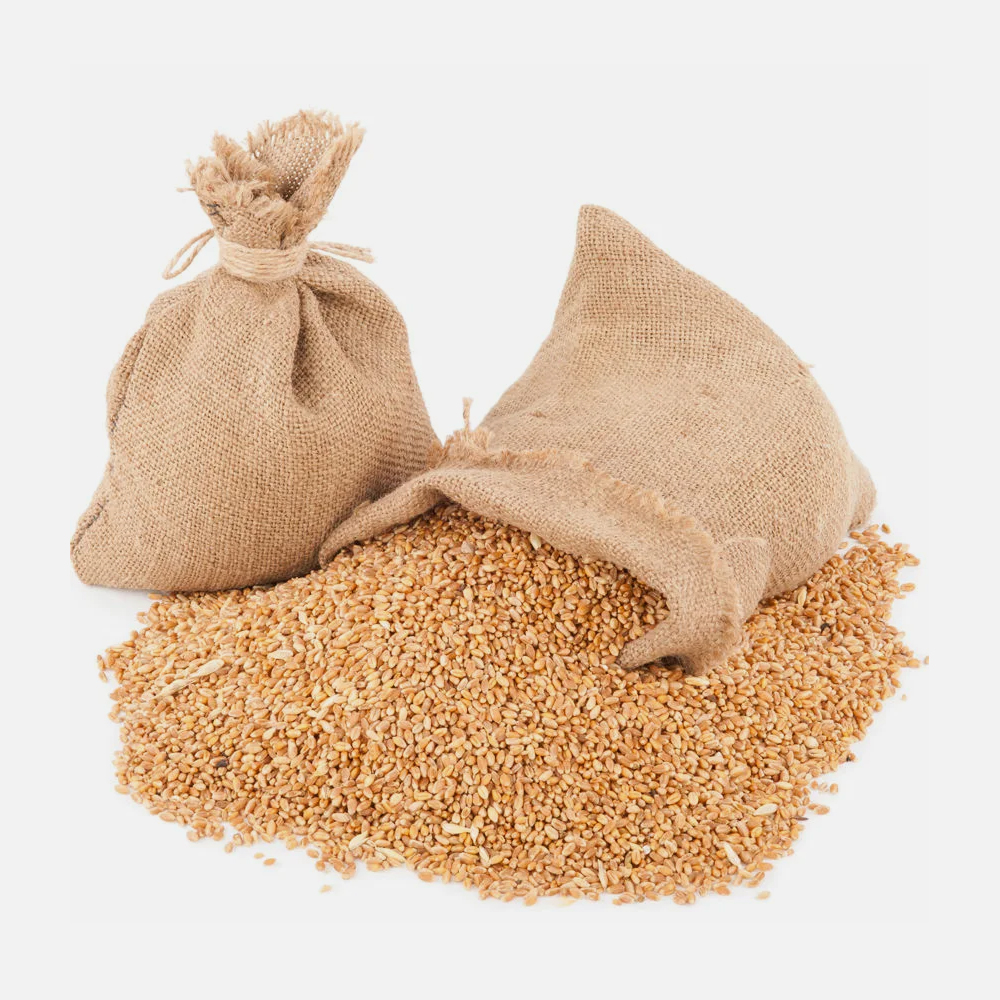
Nutritionally, wheat is a rich source of carbohydrates, providing the energy needed for daily activities. It also contains significant amounts of dietary fiber, vitamins B (especially niacin, thiamine, and folate), and essential minerals such as iron, magnesium, and zinc. Whole wheat, in particular, is valued for its higher fiber content and additional health benefits, including improved digestion and reduced risk of chronic diseases.
Wheat is grown on every continent except Antarctica, with major producers including China, India, Russia, the United States, and France. These countries contribute substantially to the global wheat supply, supporting both domestic consumption and international trade. Wheat is processed into various forms, including flour, which is used to make bread, pasta, pastries, and numerous other baked goods, as well as being a key ingredient in many processed foods.
In addition to its nutritional and economic importance, wheat holds cultural significance in many societies, symbolizing fertility, abundance, and sustenance. The global wheat market is continually evolving, driven by factors such as population growth, dietary trends, and advancements in agricultural technology that aim to improve yield and sustainability.
As a cornerstone of the human diet, wheat’s versatility and nutritional value ensure its continued prominence in global food systems, feeding millions and forming the basis of countless culinary traditions around the world.
Related Products

Sugar
Sugar is a ubiquitous and essential ingredient in kitchens worldwide, celebrated for its ability to add sweetness and enhance flavors in a wide array of foods and beverages. It is derived primarily from sugarcane……

Edible Oil
Edible oil is a crucial component of culinary practices globally, valued for its ability to enhance flavor, texture, and nutritional content in a wide variety of dishes. Extracted from plant sources such as seeds……
Rice
Basmati rice is a premium variety of long-grain rice renowned for its distinctive aroma, delicate flavor, and fluffy texture when cooked. Originating from the Indian subcontinent, Basmati rice has been cultivated……
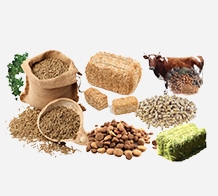
Animal Feed
Animal feed is a crucial element in the livestock, poultry, and aquaculture industries, providing the essential nutrients needed for the health, growth, and productivity of animals. Comprising a diverse range……

Spices
Spices are a diverse and vibrant category of ingredients that have been used for centuries to flavor, preserve, and enhance food. Derived from various parts of plants, including seeds, bark, roots, and fruits……
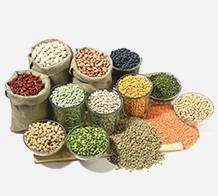
Lentils
Lentils are a nutritious and versatile legume that has been a staple in diets around the world for thousands of years. Originating from the Near East and Central Asia, lentils are one of the oldest cultivated……
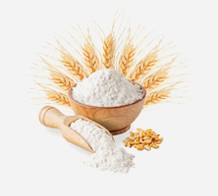
Wheat Flour
Wheat flour is a versatile and widely used ingredient that serves as the foundation for many culinary creations worldwide. Derived from milling wheat grains, wheat flour is prized for its fine texture, neutral……