
Spices
Historically, spices have played a crucial role in global trade, exploration, and cultural exchange. The quest for exotic spices like black pepper, cinnamon, cloves, and nutmeg led to the establishment of trade routes between Asia, Africa, Europe, and the Americas. This trade not only influenced culinary practices but also shaped economic and political landscapes, leading to the Age of Exploration and the establishment of spice trade empires.
Nutritionally, spices are valued not just for their flavor but also for their health benefits. Many spices possess antioxidant, anti-inflammatory, and antimicrobial properties. For example, turmeric contains curcumin, known for its anti-inflammatory effects; cinnamon can help regulate blood sugar levels; and ginger aids digestion and reduces nausea.
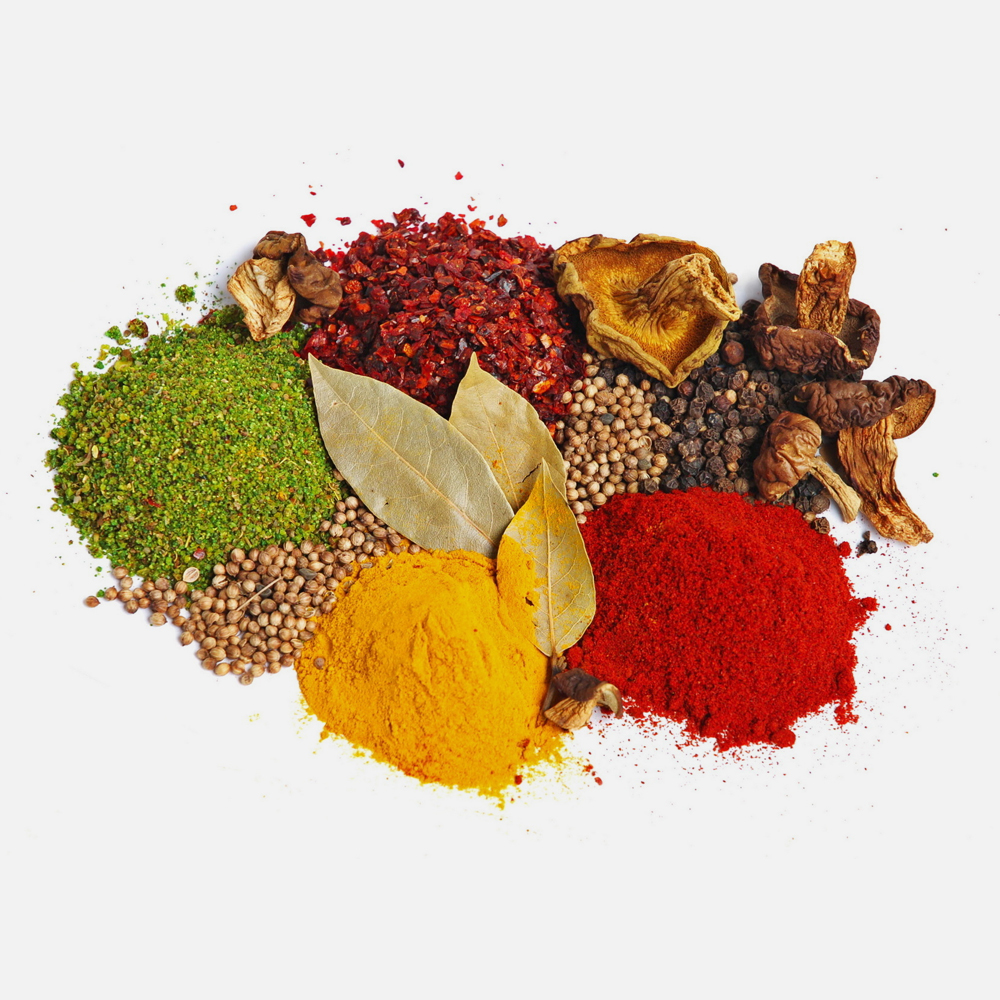
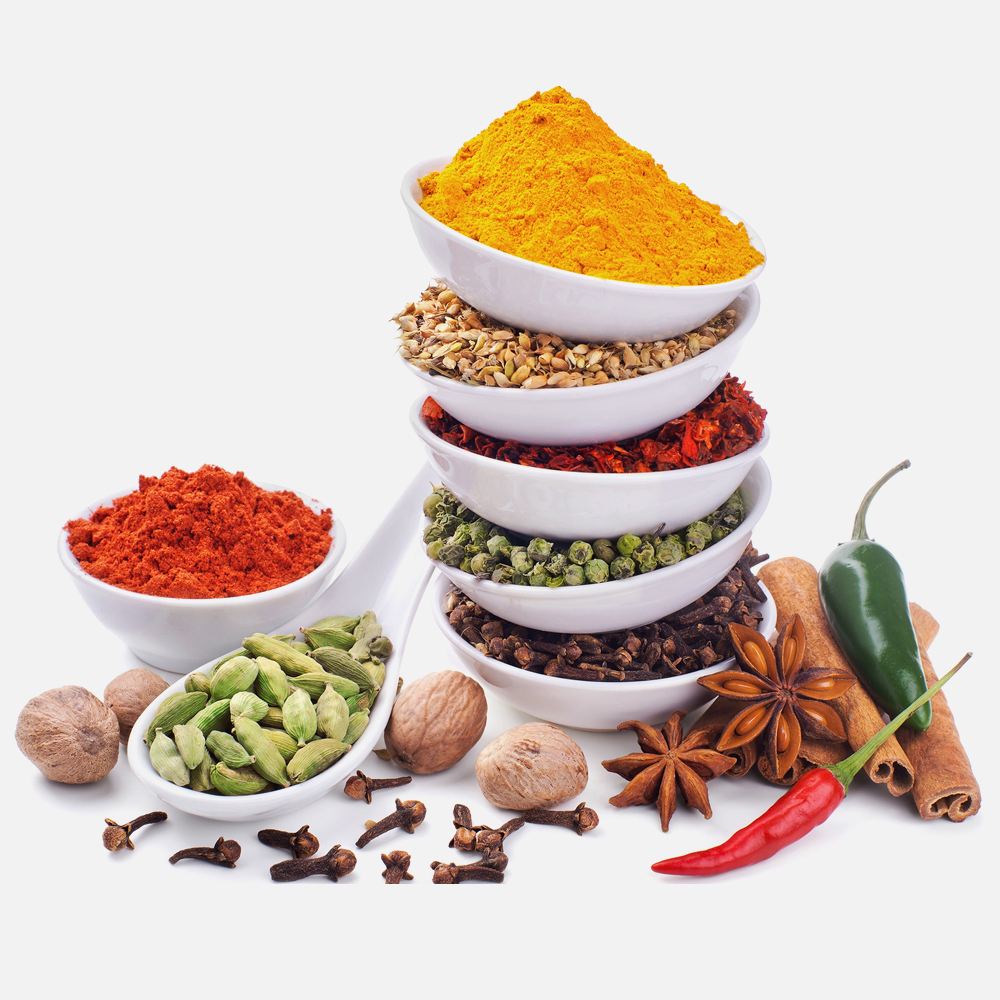
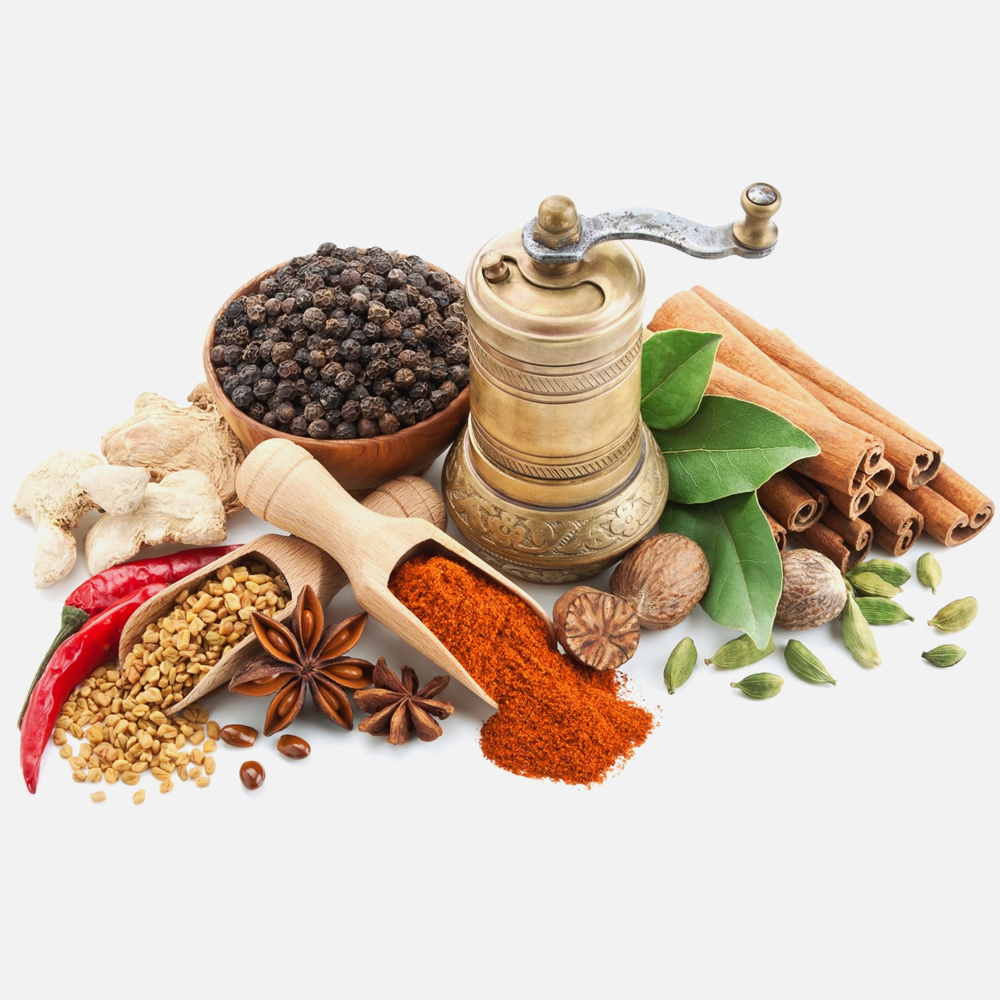
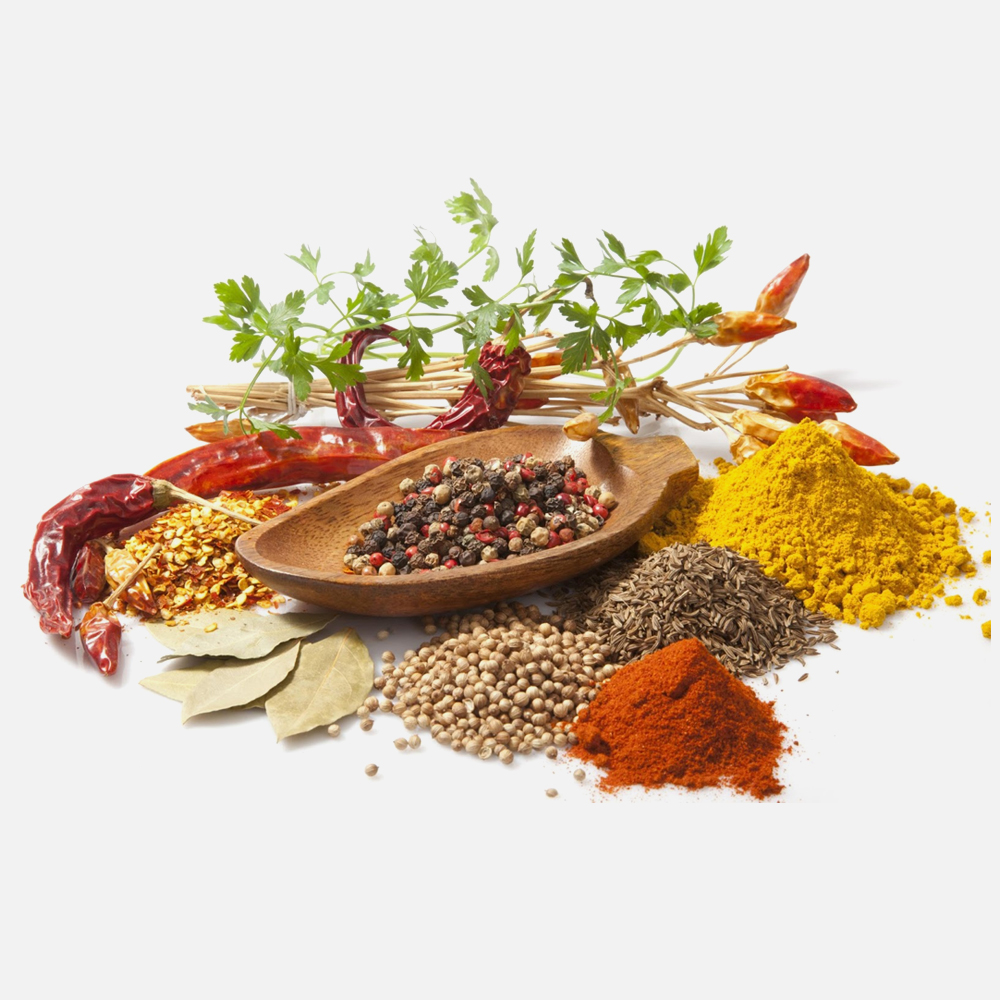
Spices are incredibly versatile and can be used in various forms, such as whole, ground, or blended into spice mixes. They enhance the taste and aroma of both savory and sweet dishes, playing key roles in diverse cuisines. Examples include cumin in Middle Eastern dishes, saffron in Spanish paella, cardamom in Indian chai, and vanilla in desserts worldwide. They are also essential in spice blends like garam masala, curry powder, za’atar, and Chinese five-spice, each bringing unique flavors to regional dishes.
Major producers of spices include countries with climates suitable for spice cultivation, such as India, Indonesia, China, Vietnam, Sri Lanka, and Madagascar. These regions produce a wide variety of spices, contributing significantly to the global market.
The modern spice trade continues to flourish, driven by the growing interest in diverse and flavorful cuisines, as well as the increasing awareness of the health benefits associated with various spices. Today, spices are accessible to home cooks and professional chefs alike, inspiring creativity and enhancing the culinary arts across the globe.
As essential components of cooking, spices not only elevate the taste of food but also connect us to a rich history and a wide array of cultural traditions, making them indispensable in kitchens everywhere.
Related Products
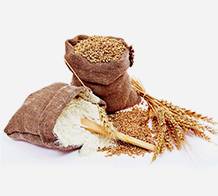
Wheat
Wheat is one of the most essential and widely cultivated cereal grains globally, playing a pivotal role in human nutrition and agriculture. Belonging to the genus Triticum, wheat is a grass that is grown in a wide……

Sugar
Sugar is a ubiquitous and essential ingredient in kitchens worldwide, celebrated for its ability to add sweetness and enhance flavors in a wide array of foods and beverages. It is derived primarily from sugarcane……

Edible Oil
Edible oil is a crucial component of culinary practices globally, valued for its ability to enhance flavor, texture, and nutritional content in a wide variety of dishes. Extracted from plant sources such as seeds, nuts……
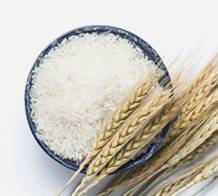
Rice
Basmati rice is a premium variety of long-grain rice renowned for its distinctive aroma, delicate flavor, and fluffy texture when cooked. Originating from the Indian subcontinent, Basmati rice has been cultivated……
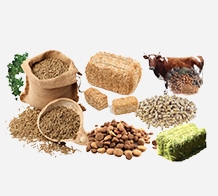
Animal Feed
Animal feed is a crucial element in the livestock, poultry, and aquaculture industries, providing the essential nutrients needed for the health, growth, and productivity of animals. Comprising a diverse range……
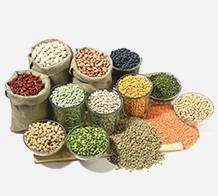
Lentils
Lentils are a nutritious and versatile legume that has been a staple in diets around the world for thousands of years. Originating from the Near East and Central Asia, lentils are one of the oldest cultivated……
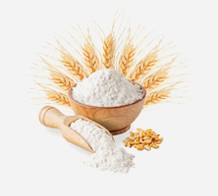
Wheat Flour
Wheat flour is a versatile and widely used ingredient that serves as the foundation for many culinary creations worldwide. Derived from milling wheat grains, wheat flour is prized for its fine texture, neutral……