
Animal Feed
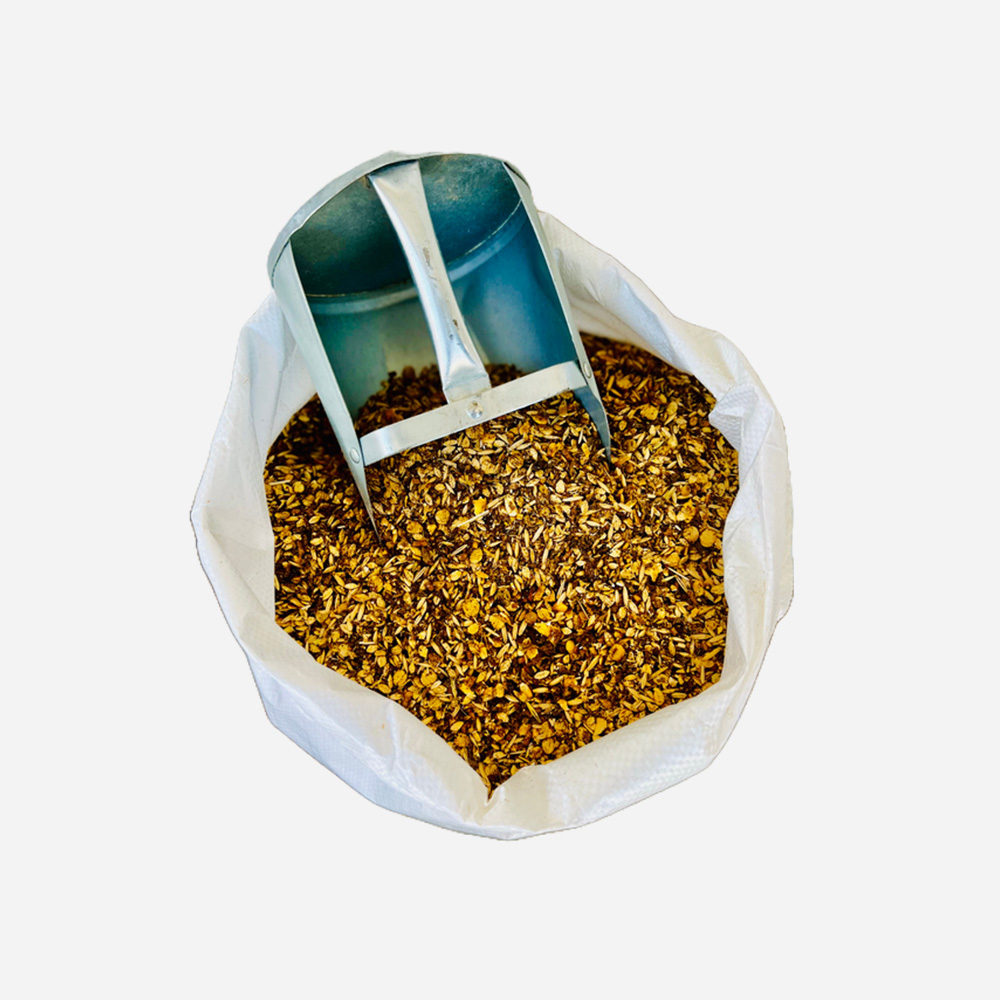
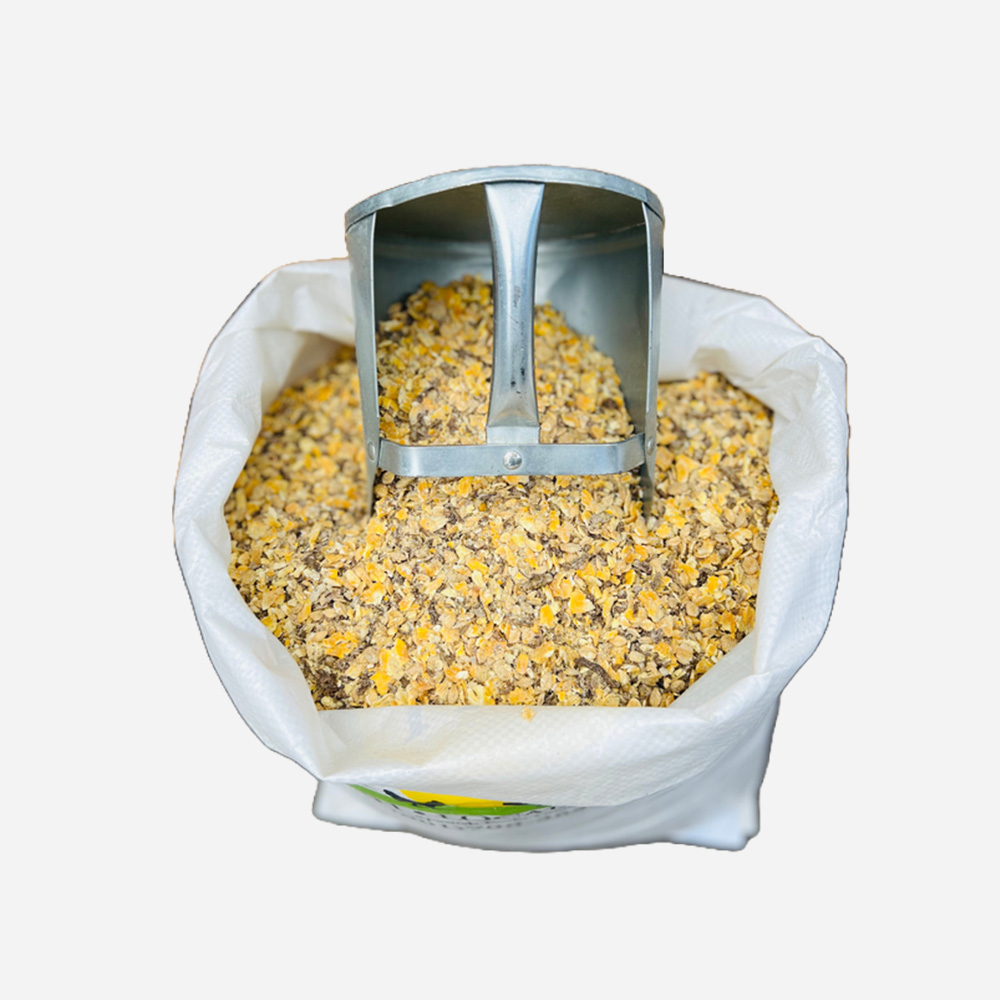
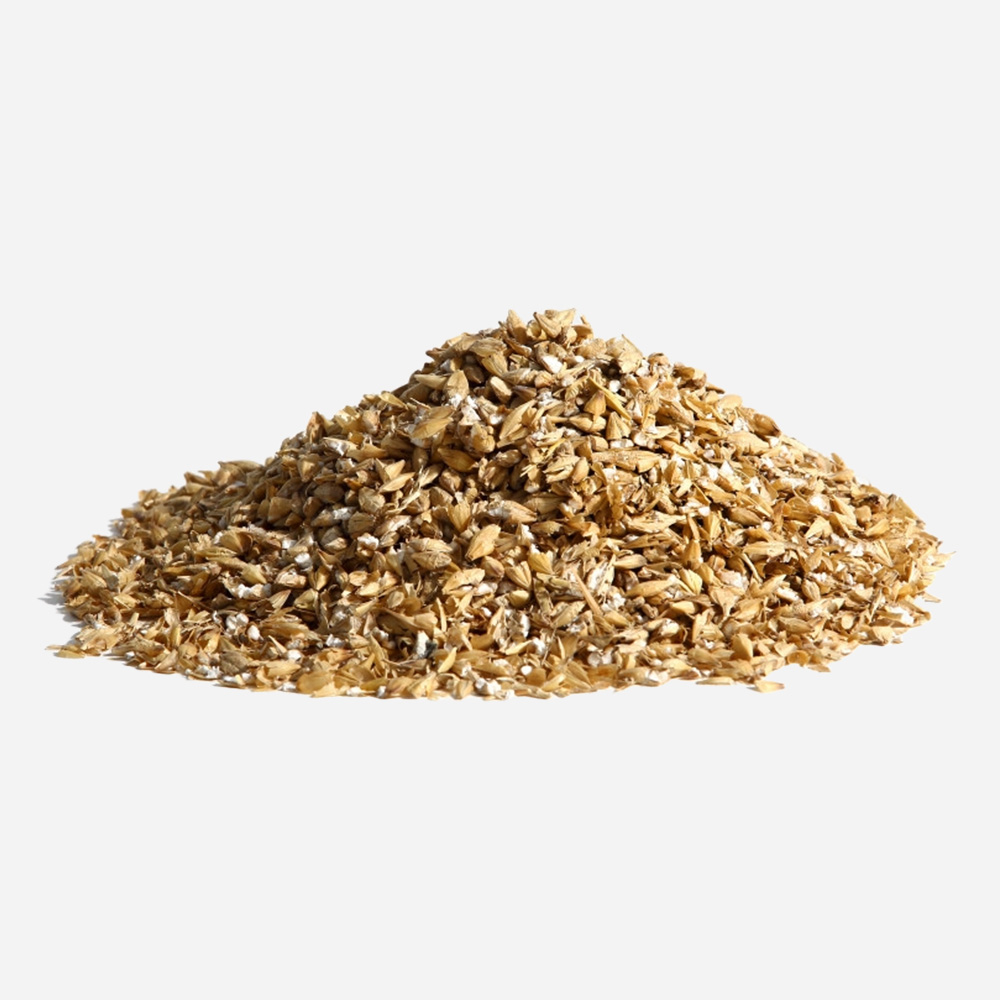
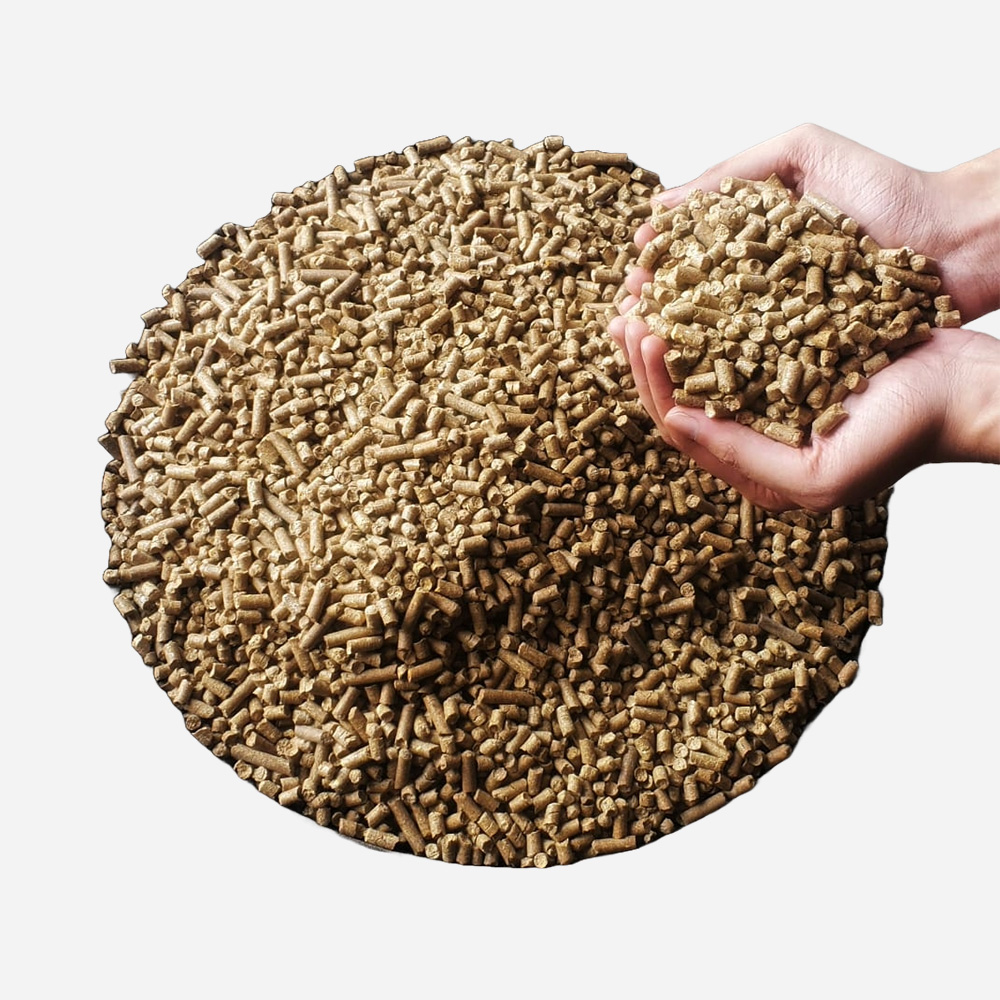
Nutritionally, animal feed is designed to supply balanced proportions of proteins, carbohydrates, fats, vitamins, and minerals. The precise composition of these nutrients depends on the type of animal and its physiological needs. For instance, dairy cows require feeds high in energy and protein to support milk production, while poultry feeds are formulated to enhance egg production and growth rates.
Common ingredients used in animal feed include:
Cereal grains: Corn, wheat, barley, and oats are primary energy sources.
Oilseeds and legumes: Soybean meal, canola meal, and sunflower meal provide essential proteins.
By-products: Beet pulp, molasses, and distillers’ grains offer additional nutrients and fiber.
Animal by-products: Fish meal, meat, and bone meal are rich in protein and minerals.
Additives: Vitamins, minerals, amino acids, enzymes, probiotics, and preservatives enhance the nutritional value and stability of the feed.
Major producers of animal feed include the United States, China, Brazil, and the European Union, with these regions possessing advanced agricultural and industrial capacities. The production of animal feed is a sophisticated process involving grinding, mixing, pelleting, and quality control to ensure safety and efficacy.
The animal feed industry faces several challenges, including the need for sustainable sourcing of raw materials, mitigating environmental impacts, and ensuring feed safety to prevent contamination and disease transmission. Innovations in feed technology, such as the development of alternative protein sources like insects and algae, and the incorporation of precision nutrition and digital monitoring tools, are helping address these challenges.
Animal feed plays an integral role in the global food supply chain by supporting the growth and productivity of livestock, poultry, and fish, which in turn provide meat, dairy, eggs, and other animal products for human consumption. As the global population continues to grow and demand for animal-based foods increases, the importance of efficient and sustainable animal feed production becomes ever more critical.
Related Products
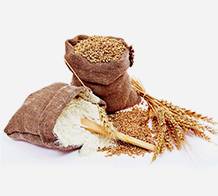
Wheat
Wheat is one of the most essential and widely cultivated cereal grains globally, playing a pivotal role in human nutrition and agriculture. Belonging to the genus Triticum, wheat is a grass that is grown in a wide……

Sugar
Sugar is a ubiquitous and essential ingredient in kitchens worldwide, celebrated for its ability to add sweetness and enhance flavors in a wide array of foods and beverages. It is derived primarily from sugarcane……
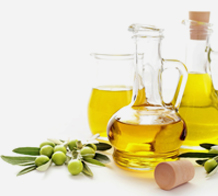
Edible Oil
Edible oil is a crucial component of culinary practices globally, valued for its ability to enhance flavor, texture, and nutritional content in a wide variety of dishes. Extracted from plant sources such as seeds, nuts……
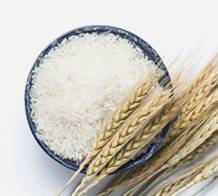
Rice
Basmati rice is a premium variety of long-grain rice renowned for its distinctive aroma, delicate flavor, and fluffy texture when cooked. Originating from the Indian subcontinent, Basmati rice has been cultivated……

Spices
Spices are a diverse and vibrant category of ingredients that have been used for centuries to flavor, preserve, and enhance food. Derived from various parts of plants, including seeds, bark, roots, and fruits……
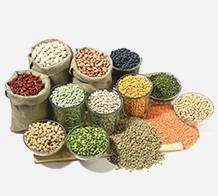
Lentils
Lentils are a nutritious and versatile legume that has been a staple in diets around the world for thousands of years. Originating from the Near East and Central Asia, lentils are one of the oldest cultivated……
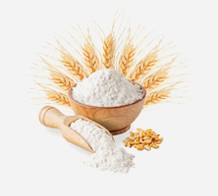
Wheat Flour
Wheat flour is a versatile and widely used ingredient that serves as the foundation for many culinary creations worldwide. Derived from milling wheat grains, wheat flour is prized for its fine texture, neutral……