

Rice
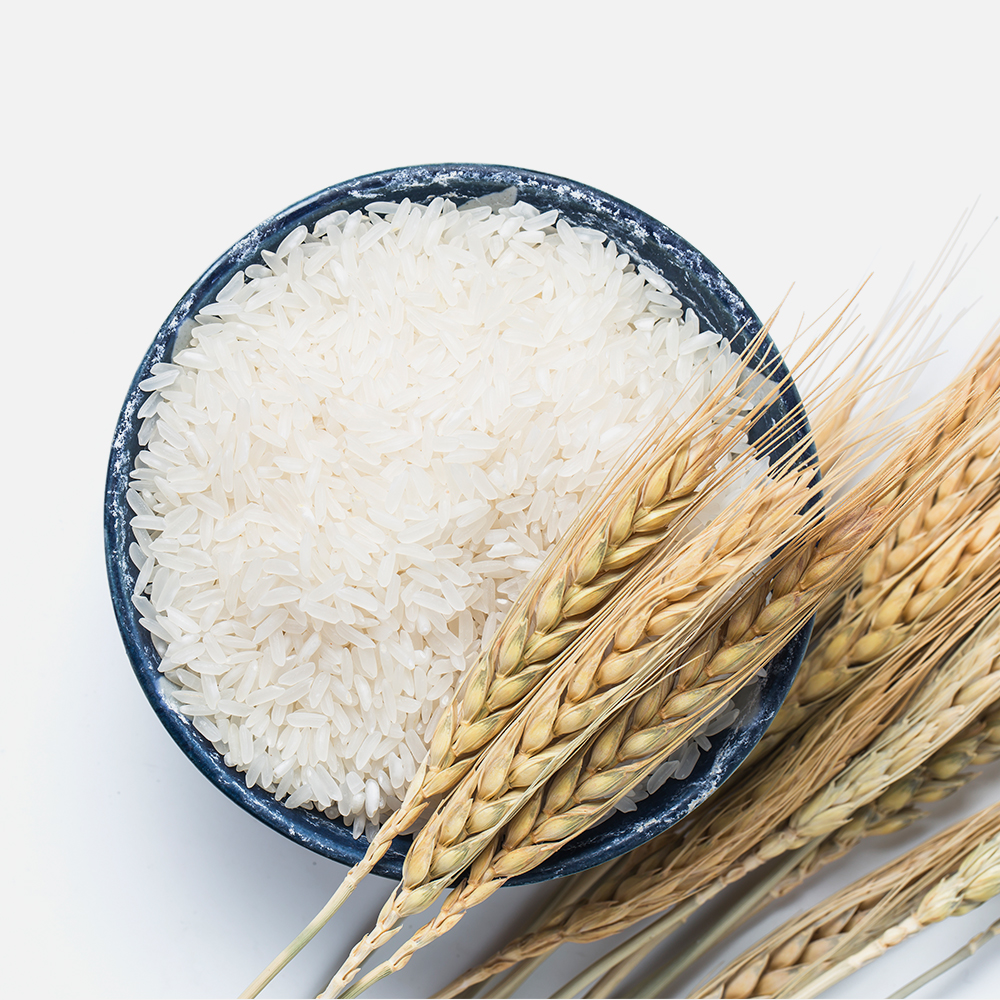
Nutritionally, Basmati rice is a good source of carbohydrates, providing essential energy for the body. It also contains a modest amount of protein, with lower levels of fat and sodium compared to other rice varieties. Brown Basmati rice, in particular, retains the bran and germ, offering additional dietary fiber, vitamins, and minerals, making it a more nutritious option compared to white Basmati rice.
Basmati rice is highly valued in culinary traditions for its unique qualities. When cooked, it elongates rather than becoming sticky, making it a preferred choice for dishes where separate, fluffy grains are desired. It is a staple in many South Asian cuisines and is used in a variety of dishes such as biryani, pilaf, and as a complementary side to rich curries and stews. Its aromatic profile and delicate texture also make it a popular choice for international cuisine, adding elegance to both everyday meals and special occasions.
The primary producers of Basmati rice are India and Pakistan, which together account for the majority of global production. The specific growing conditions in the Himalayan foothills, with their fertile soil and unique climate, contribute to the exceptional quality and distinctiveness of Basmati rice. Efforts to maintain and protect the authenticity of Basmati rice have led to geographical indication (GI) status for certain regions, ensuring that only rice grown in designated areas can be labeled as true Basmati.
With its unparalleled aroma, flavor, and texture, Basmati rice continues to be celebrated and cherished by chefs and home cooks alike, making it a prized ingredient in kitchens around the world.
Related Products
Wheat
Wheat is one of the most essential and widely cultivated cereal grains globally, playing a pivotal role in human nutrition and agriculture. Belonging to the genus Triticum, wheat is a grass that is grown in a wide……

Sugar
Sugar is a ubiquitous and essential ingredient in kitchens worldwide, celebrated for its ability to add sweetness and enhance flavors in a wide array of foods and beverages. It is derived primarily from sugarcane……

Edible Oil
Edible oil is a crucial component of culinary practices globally, valued for its ability to enhance flavor, texture, and nutritional content in a wide variety of dishes. Extracted from plant sources such as seeds, nuts……
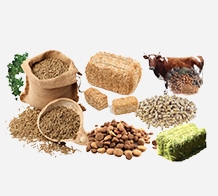
Animal Feed
Animal feed is a crucial element in the livestock, poultry, and aquaculture industries, providing the essential nutrients needed for the health, growth, and productivity of animals. Comprising a diverse range……

Spices
Spices are a diverse and vibrant category of ingredients that have been used for centuries to flavor, preserve, and enhance food. Derived from various parts of plants, including seeds, bark, roots, and fruits……
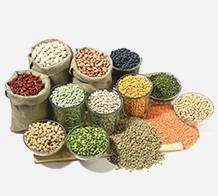
Lentils
Lentils are a nutritious and versatile legume that has been a staple in diets around the world for thousands of years. Originating from the Near East and Central Asia, lentils are one of the oldest cultivated……
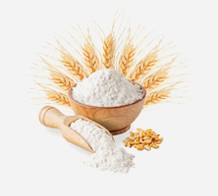
Wheat Flour
Wheat flour is a versatile and widely used ingredient that serves as the foundation for many culinary creations worldwide. Derived from milling wheat grains, wheat flour is prized for its fine texture, neutral……