

Lentils
Nutritionally, lentils are a powerhouse, packed with protein, making them an excellent meat alternative for vegetarians and vegans. They are also rich in dietary fiber, which promotes digestive health, and are a good source of essential vitamins and minerals, including iron, folate, potassium, and magnesium. Additionally, lentils have a low glycemic index, making them beneficial for blood sugar management.
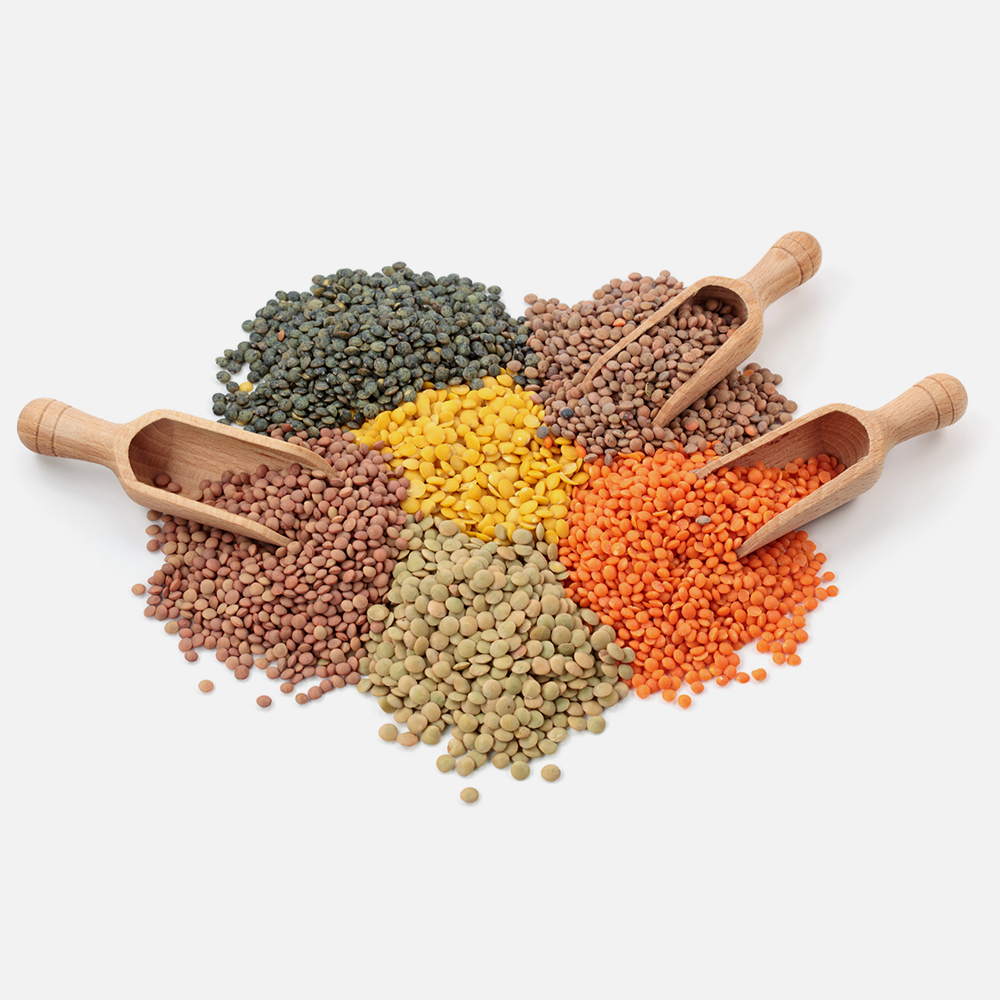
Lentils come in several varieties, each with unique characteristics. Common types include brown, green, red, yellow, black, and French (or Puy) lentils. Brown and green lentils hold their shape well after cooking, making them ideal for salads, stews, and side dishes. Red and yellow lentils cook quickly and tend to break down, creating a creamy texture perfect for soups, dals, and purees. Black and French lentils are prized for their firm texture and slightly peppery flavor, often used in gourmet dishes.
Major producers of lentils include Canada, India, Turkey, Australia, and the United States. These countries benefit from climates and soil conditions conducive to lentil cultivation, ensuring a steady global supply. Lentils are a significant crop in sustainable agriculture due to their ability to fix nitrogen in the soil, reducing the need for synthetic fertilizers.
In the kitchen, lentils’ versatility shines. They can be incorporated into a wide range of dishes, from hearty soups and stews to salads, side dishes, and even baked goods. Their ability to absorb flavors makes them a perfect match for various herbs, spices, and seasonings, enabling endless culinary creativity.
As awareness of plant-based diets and sustainable food sources grows, lentils continue to gain popularity for their health benefits, environmental impact, and culinary flexibility. Their enduring appeal ensures they remain a valued ingredient in kitchens worldwide, supporting nutritious and delicious meals.
Related Products
Wheat
Wheat is one of the most essential and widely cultivated cereal grains globally, playing a pivotal role in human nutrition and agriculture. Belonging to the genus Triticum, wheat is a grass that is grown in a wide……

Sugar
Sugar is a ubiquitous and essential ingredient in kitchens worldwide, celebrated for its ability to add sweetness and enhance flavors in a wide array of foods and beverages. It is derived primarily from sugarcane……

Edible Oil
Edible oil is a crucial component of culinary practices globally, valued for its ability to enhance flavor, texture, and nutritional content in a wide variety of dishes. Extracted from plant sources such as seeds, nuts……
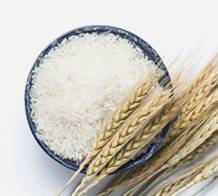
Rice
Basmati rice is a premium variety of long-grain rice renowned for its distinctive aroma, delicate flavor, and fluffy texture when cooked. Originating from the Indian subcontinent, Basmati rice has been cultivated……
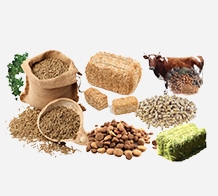
Animal Feed
Animal feed is a crucial element in the livestock, poultry, and aquaculture industries, providing the essential nutrients needed for the health, growth, and productivity of animals. Comprising a diverse range……

Spices
Spices are a diverse and vibrant category of ingredients that have been used for centuries to flavor, preserve, and enhance food. Derived from various parts of plants, including seeds, bark, roots, and fruits……
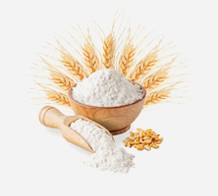
Wheat Flour
Wheat flour is a versatile and widely used ingredient that serves as the foundation for many culinary creations worldwide. Derived from milling wheat grains, wheat flour is prized for its fine texture, neutral……