
Edible Oil
Nutritionally, edible oils are a primary source of fats, which are essential for energy, nutrient absorption, and cell function. They provide essential fatty acids, such as omega-3 and omega-6, which the body cannot synthesize on its own. Different oils offer varied health benefits based on their fatty acid composition. For example, olive oil is rich in monounsaturated fats and antioxidants, promoting heart health, while flaxseed oil is high in omega-3 fatty acids, beneficial for brain function and reducing inflammation.
There are numerous types of edible oils, each with unique properties and uses:
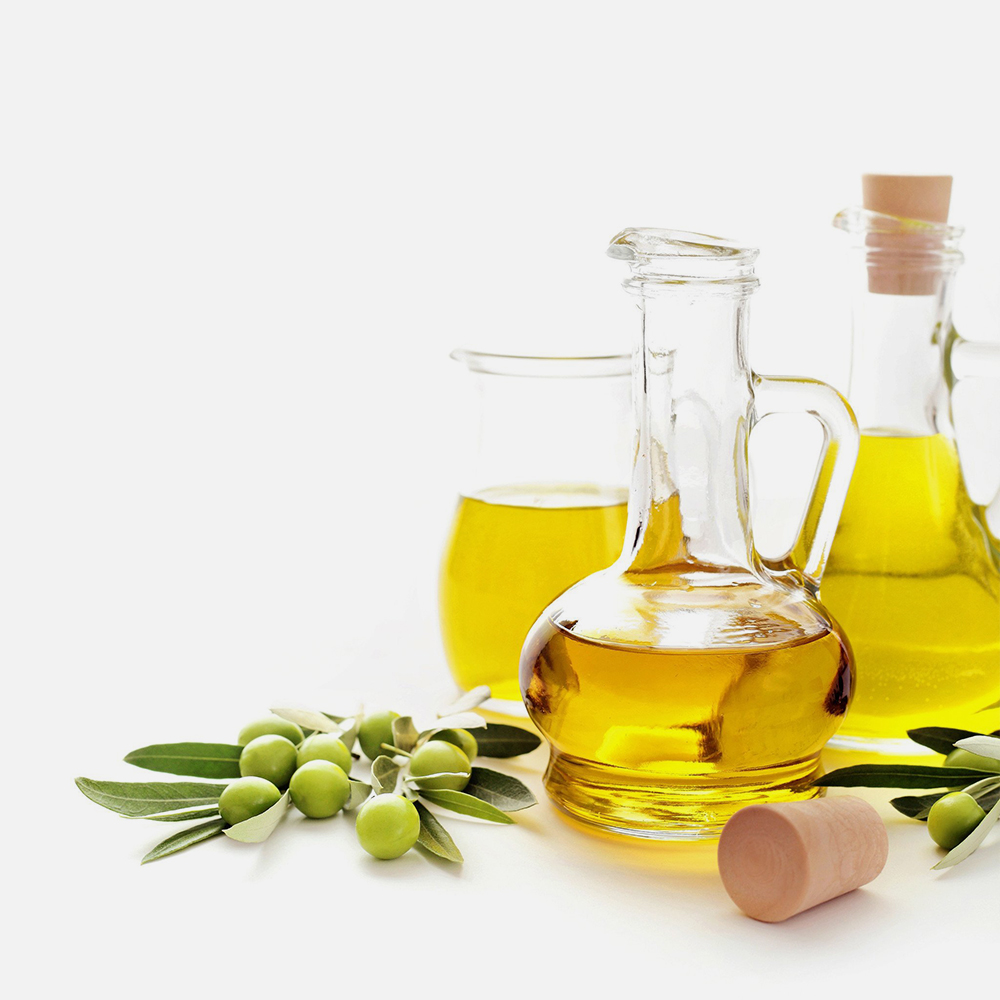
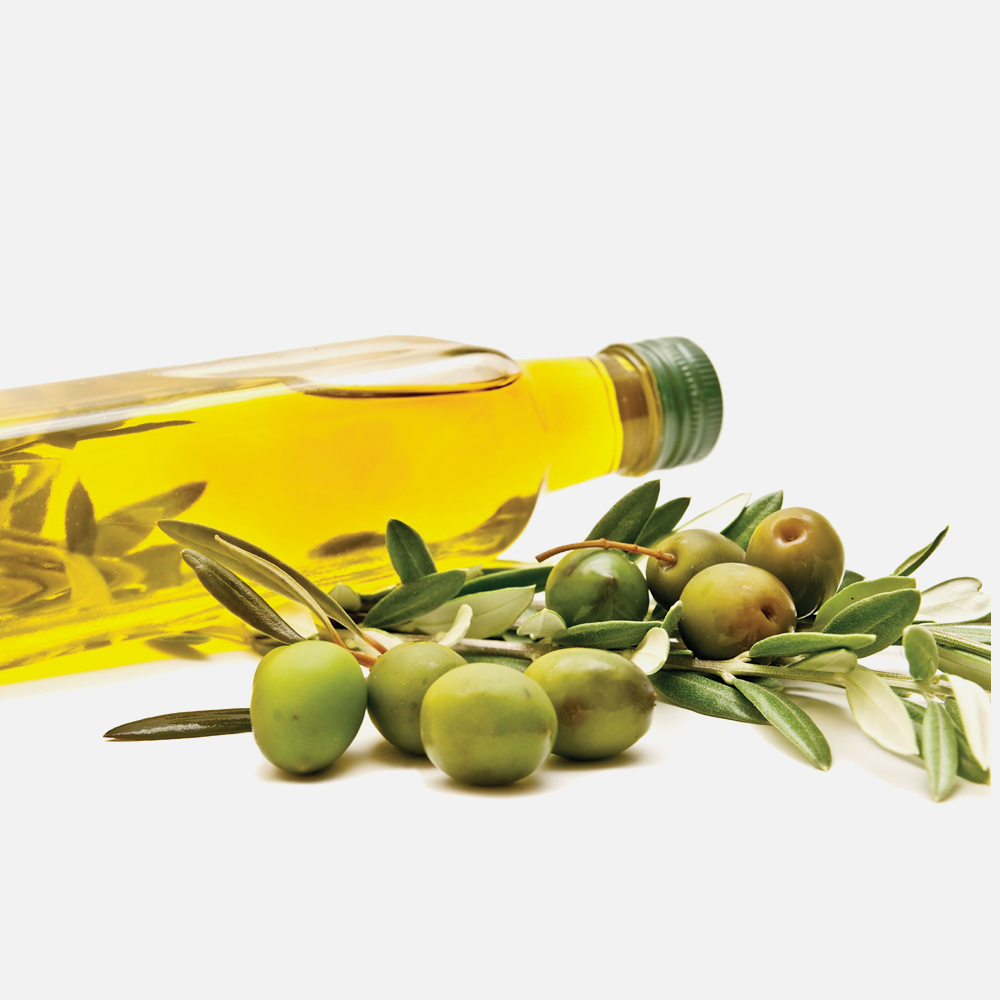
Olive Oil: Known for its robust flavor and health benefits, olive oil is a staple in Mediterranean cuisine and is often used in salads, sautéing, and dipping.
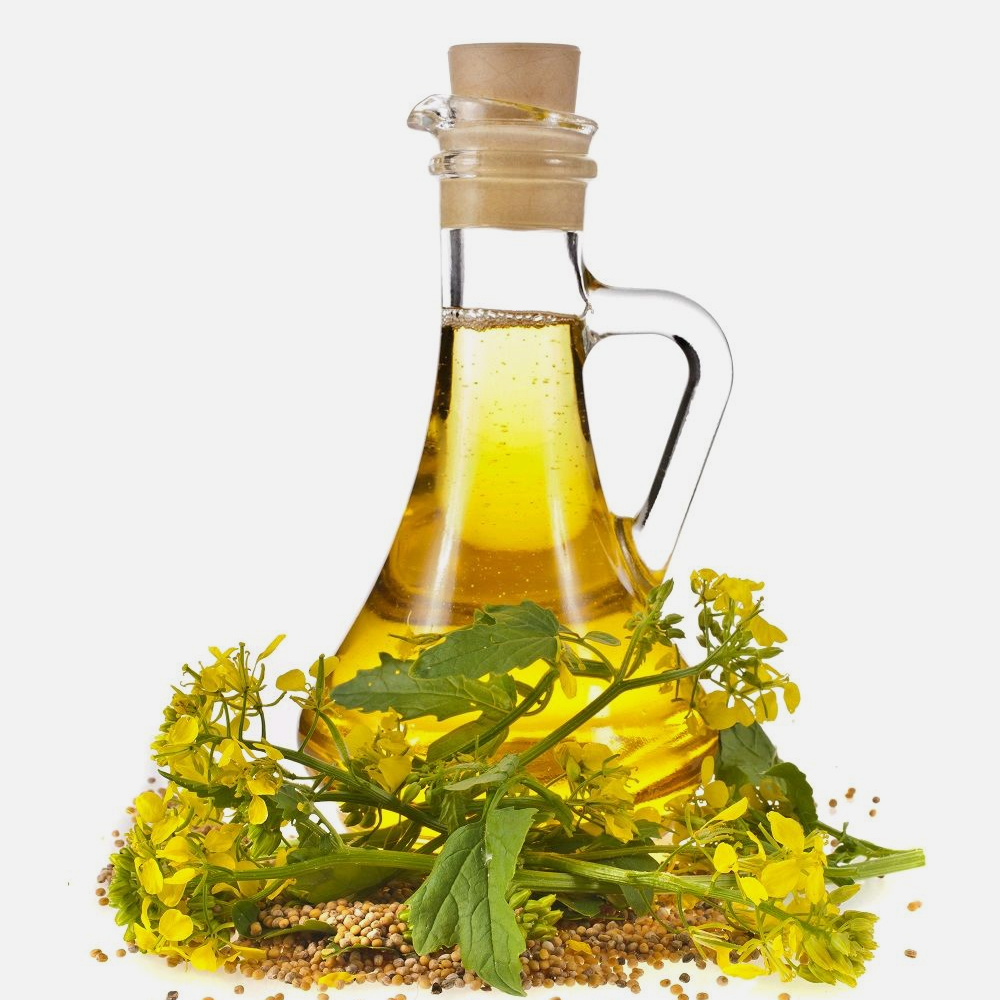
Canola Oil: With a mild taste and high smoke point, canola oil is versatile for cooking, baking, and frying. It is also low in saturated fats.
Sunflower Oil: Popular for its light flavor and high smoke point, making it ideal for frying and baking.
Coconut Oil: Valued for its unique flavor and high saturated fat content, which is ideal for baking and cooking at high temperatures.
Soybean Oil: Widely used in processed foods and for frying, it is rich in polyunsaturated fats.
Palm Oil: Common in processed foods and cooking, though its production raises environmental and ethical concerns.
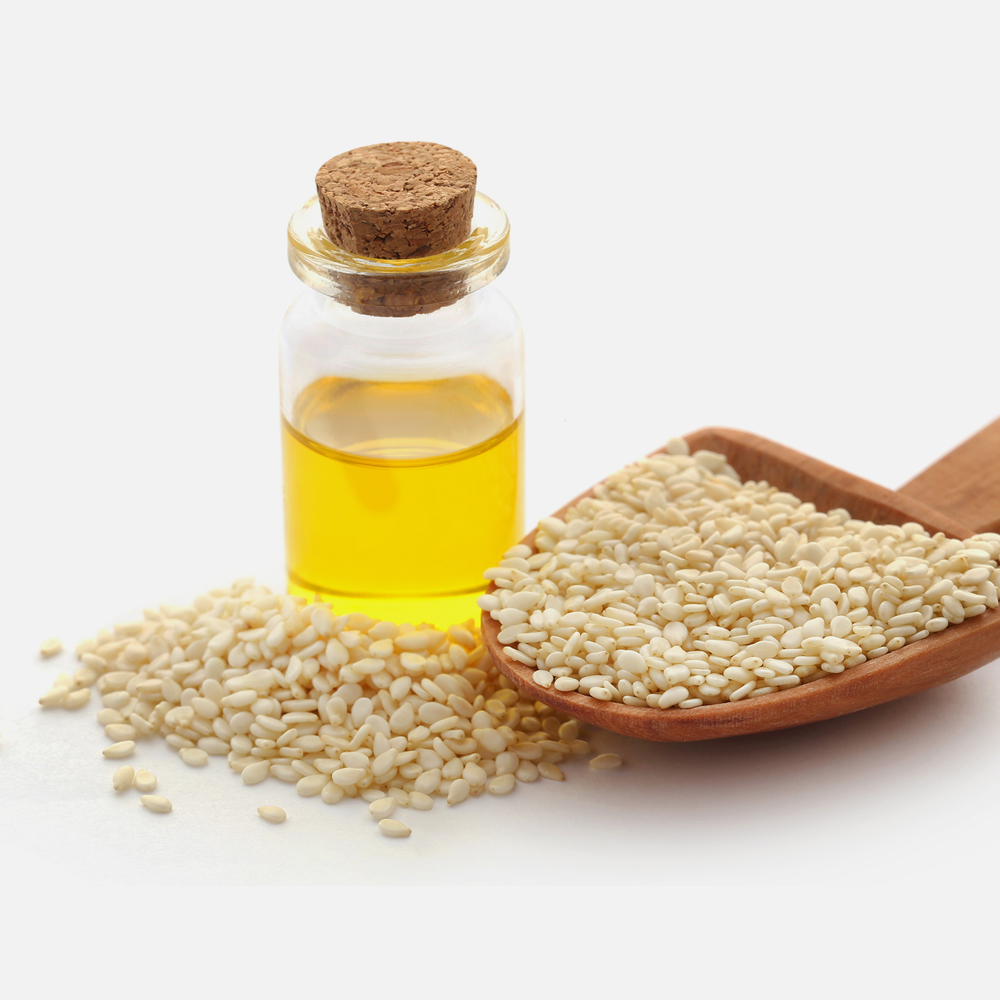
Sesame Oil: Known for its nutty flavor, used in Asian cuisines, particularly in dressings and stir-fries.
Major producers of edible oils include countries with favorable climates for growing oil-rich crops, such as Indonesia and Malaysia (palm oil), Spain, Italy, and Greece (olive oil), Canada (canola oil), and the United States, Brazil, and Argentina (soybean oil). The global edible oil market is a vital part of the food industry, influenced by factors such as agricultural practices, climate change, and dietary trends.
The use of edible oils extends beyond cooking; they are also integral in the production of margarine, shortening, and processed foods. Additionally, they are used in non-food products like cosmetics, pharmaceuticals, and biofuels, underscoring their economic importance.
As consumers become more health-conscious, there is a growing interest in the nutritional profiles of different oils and their impacts on health. This shift is driving innovations in the edible oil industry, with a focus on sustainability, health benefits, and diverse culinary applications.
Related Products
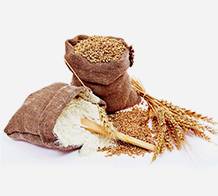
Wheat
Wheat is one of the most essential and widely cultivated cereal grains globally, playing a pivotal role in human nutrition and agriculture. Belonging to the genus Triticum, wheat is a grass that is grown in a wide……

Sugar
Sugar is a ubiquitous and essential ingredient in kitchens worldwide, celebrated for its ability to add sweetness and enhance flavors in a wide array of foods and beverages. It is derived primarily from sugarcane……
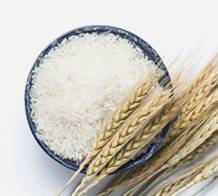
Rice
Basmati rice is a premium variety of long-grain rice renowned for its distinctive aroma, delicate flavor, and fluffy texture when cooked. Originating from the Indian subcontinent, Basmati rice has been cultivated……
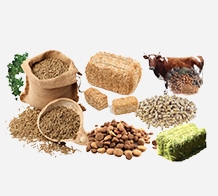
Animal Feed
Animal feed is a crucial element in the livestock, poultry, and aquaculture industries, providing the essential nutrients needed for the health, growth, and productivity of animals. Comprising a diverse range……

Spices
Spices are a diverse and vibrant category of ingredients that have been used for centuries to flavor, preserve, and enhance food. Derived from various parts of plants, including seeds, bark, roots, and fruits……
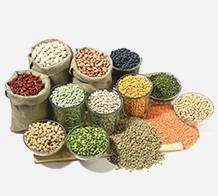
Lentils
Lentils are a nutritious and versatile legume that has been a staple in diets around the world for thousands of years. Originating from the Near East and Central Asia, lentils are one of the oldest cultivated……
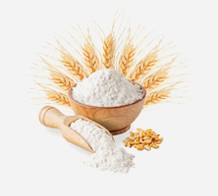
Wheat Flour
Wheat flour is a versatile and widely used ingredient that serves as the foundation for many culinary creations worldwide. Derived from milling wheat grains, wheat flour is prized for its fine texture, neutral……