
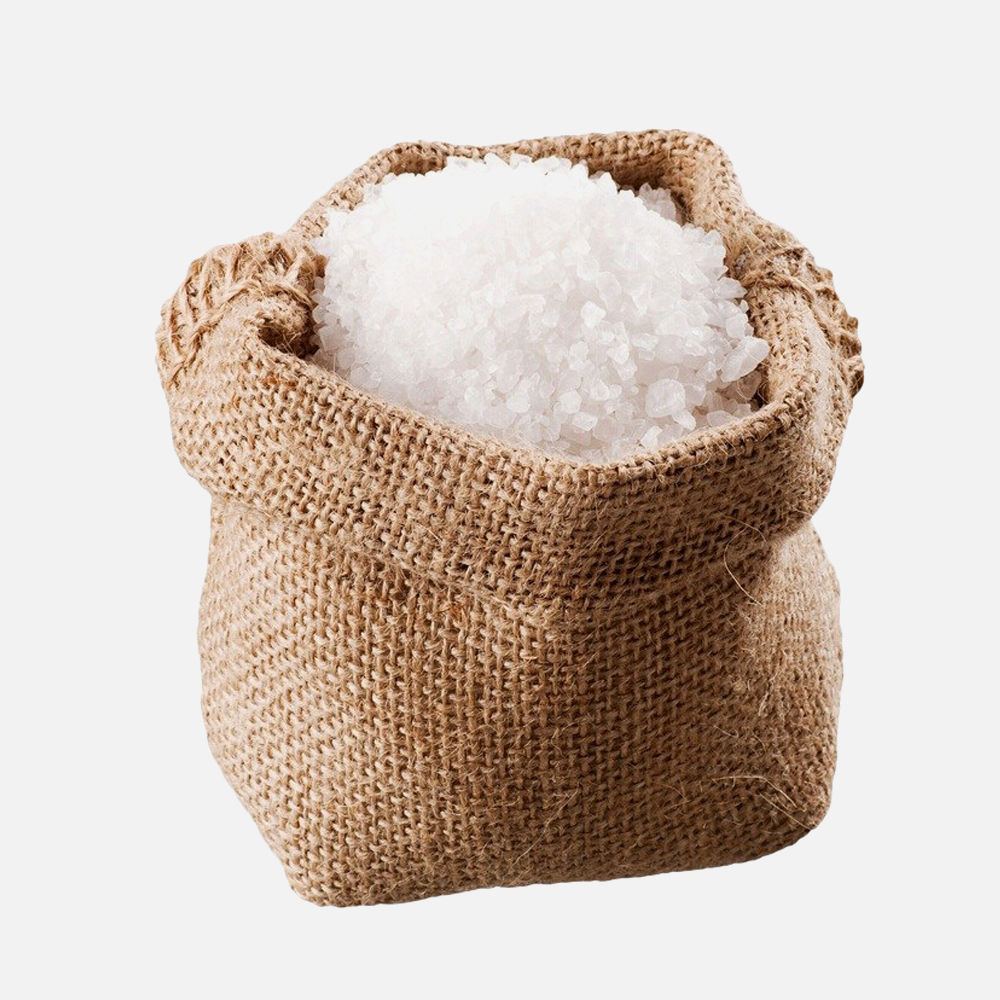


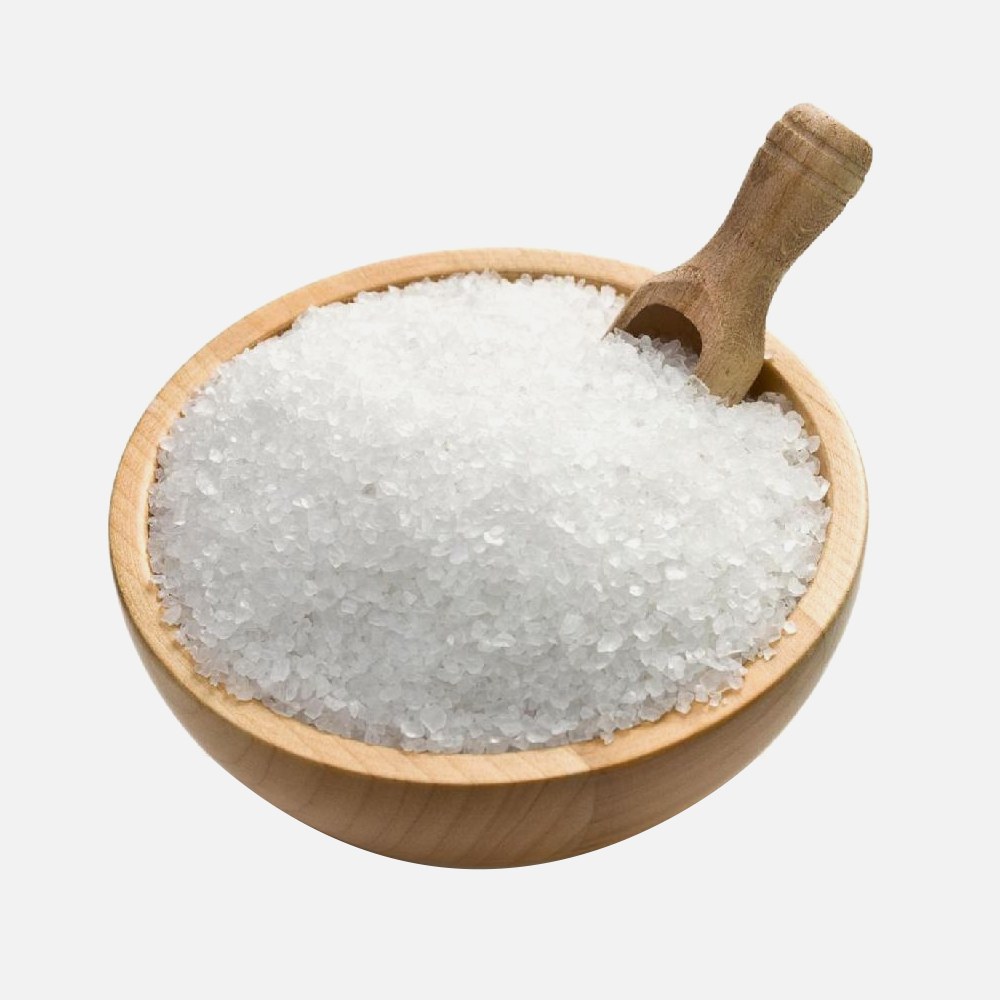
Sugar
Nutritionally, sugar is a simple carbohydrate that provides a quick source of energy. While it is often associated with sweets and desserts, sugar’s role extends beyond just adding sweetness. It can influence texture, act as a preservative, and contribute to the browning and caramelization processes that enhance the flavor and appearance of baked goods and cooked dishes.
Sugar comes in various forms, each with unique properties and uses. Common types include granulated white sugar, brown sugar, powdered (or confectioners’) sugar, and specialty sugars like turbinado and muscovado. Granulated white sugar is the most widely used and versatile, perfect for baking, cooking, and sweetening beverages. Brown sugar, which contains molasses, adds moisture and a rich, caramel flavor to recipes. Powdered sugar, finely ground and often mixed with a bit of cornstarch to prevent clumping, is ideal for icings and dusting. Specialty sugars like turbinado and muscovado offer distinct flavors and textures, often used in gourmet cooking and baking.
The major producers of sugar include Brazil, India, China, Thailand, and the European Union, with Brazil and India leading the global market. These regions benefit from climates suitable for cultivating sugarcane and sugar beet, ensuring a steady supply for both domestic consumption and export.
Sugar’s influence extends beyond the kitchen. It has played a significant role in global trade, economic development, and even social change. The history of sugar production and trade is intertwined with colonization, the slave trade, and industrialization, reflecting its deep impact on societies and economies.
In modern times, sugar consumption has come under scrutiny due to its association with health issues such as obesity, diabetes, and dental problems. This has led to increased interest in natural and artificial sweeteners as alternatives, as well as a push towards more mindful and moderate sugar consumption.
Despite these concerns, sugar remains a beloved ingredient that enhances the taste and enjoyment of countless dishes. Its ability to bring out flavors, create appealing textures, and provide a sense of indulgence ensures its continued presence in culinary traditions around the world.
Related Products
Wheat
Wheat is one of the most essential and widely cultivated cereal grains globally, playing a pivotal role in human nutrition and agriculture. Belonging to the genus Triticum, wheat is a grass that is grown in a wide……

Edible Oil
Edible oil is a crucial component of culinary practices globally, valued for its ability to enhance flavor, texture, and nutritional content in a wide variety of dishes. Extracted from plant sources such as seeds, nuts……
Rice
Basmati rice is a premium variety of long-grain rice renowned for its distinctive aroma, delicate flavor, and fluffy texture when cooked. Originating from the Indian subcontinent, Basmati rice has been cultivated……
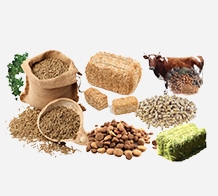
Animal Feed
Animal feed is a crucial element in the livestock, poultry, and aquaculture industries, providing the essential nutrients needed for the health, growth, and productivity of animals. Comprising a diverse range……

Spices
Spices are a diverse and vibrant category of ingredients that have been used for centuries to flavor, preserve, and enhance food. Derived from various parts of plants, including seeds, bark, roots, and fruits……
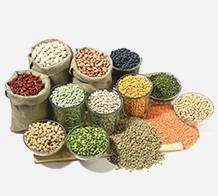
Lentils
Lentils are a nutritious and versatile legume that has been a staple in diets around the world for thousands of years. Originating from the Near East and Central Asia, lentils are one of the oldest cultivated……
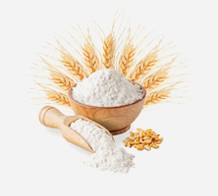
Wheat Flour
Wheat flour is a versatile and widely used ingredient that serves as the foundation for many culinary creations worldwide. Derived from milling wheat grains, wheat flour is prized for its fine texture, neutral……